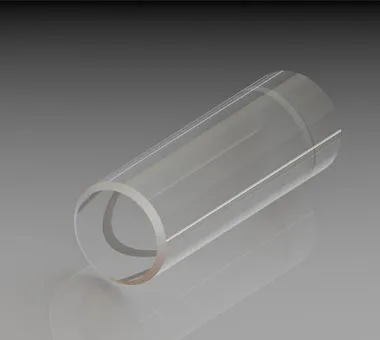
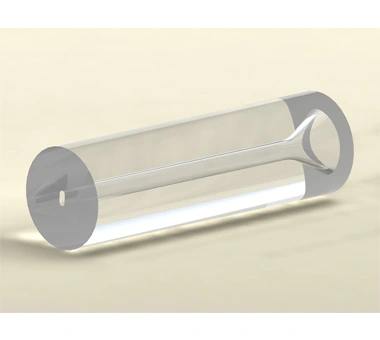
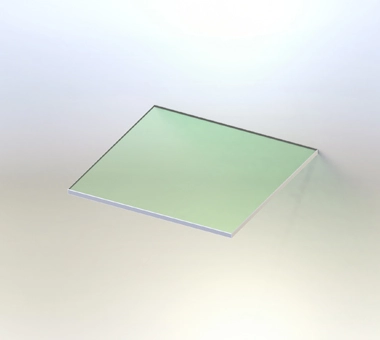
In infrared optical systems, material selection directly affects imaging quality, signal transmission, system size, and long-term reliability. Among many infrared optical materials, germanium infrared...
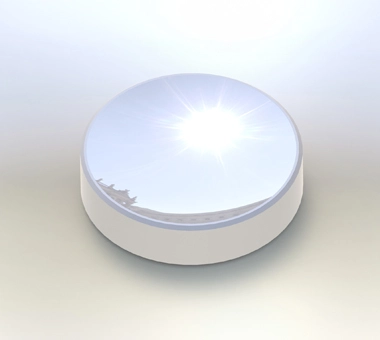
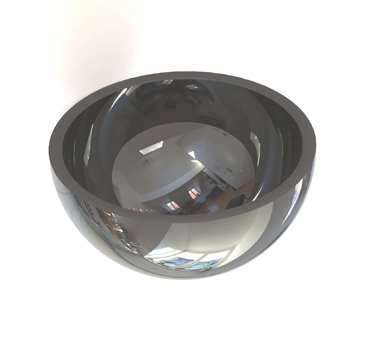
In precision optical systems, an optical concave mirror is more than a reflective component. It controls how light is collected, focused, redirected, or shaped inside an optical path. Whether used in ...
Mirrors, with their varied shapes and sizes, play a significant role in optics, their reflective properties determined by whether their surfaces are flat or curved. Concave and convex mirrors, in part...
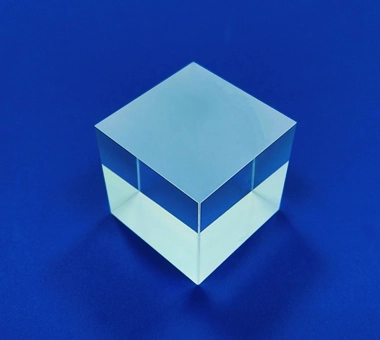
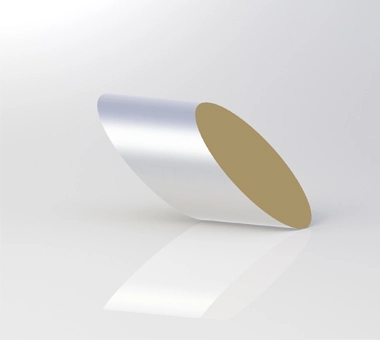
Prisms are captivating tools that unlock a world of creative and scientific possibilities by manipulating light. At Solar Valley, we believe prisms are more than just optical instruments; they are gat...
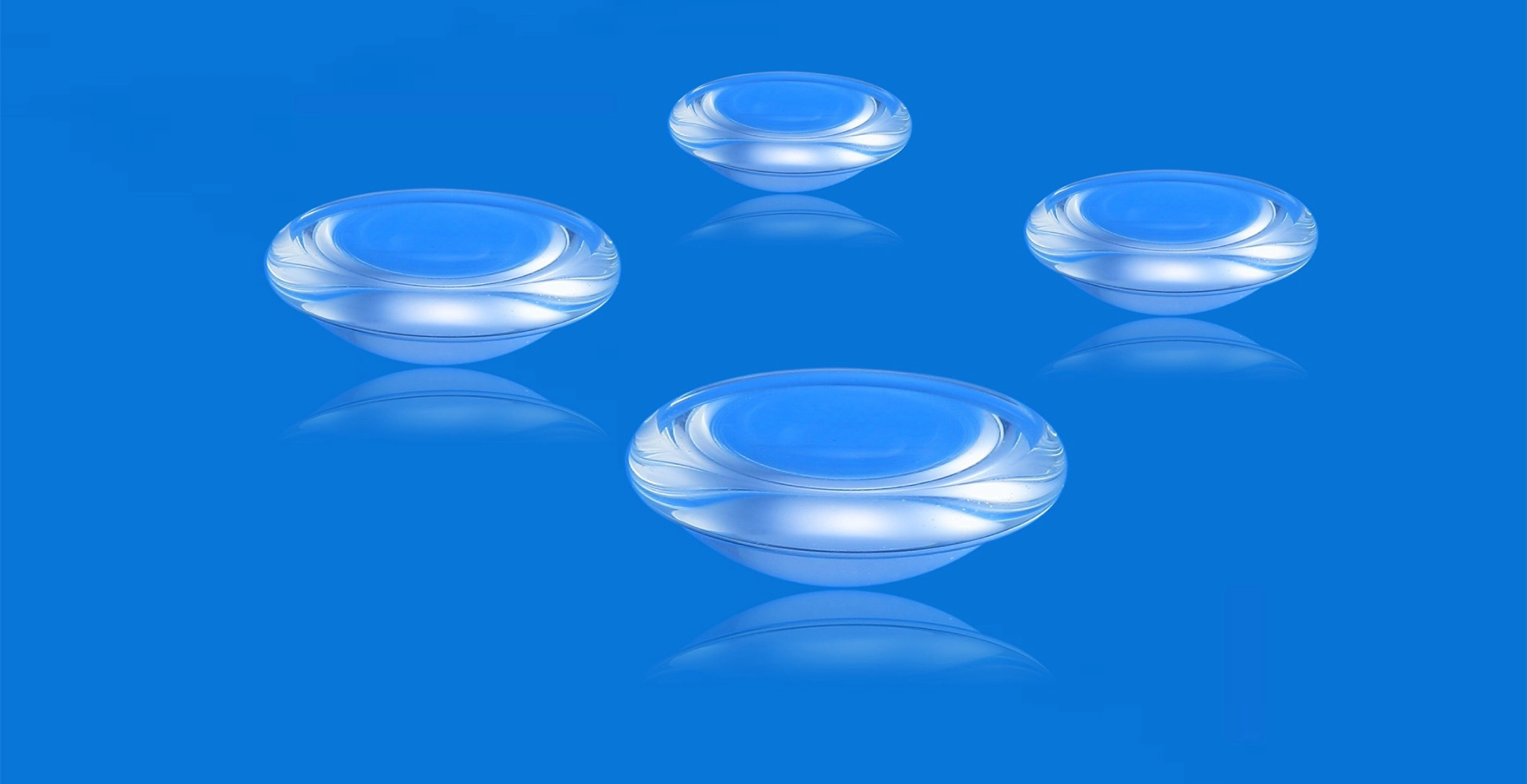
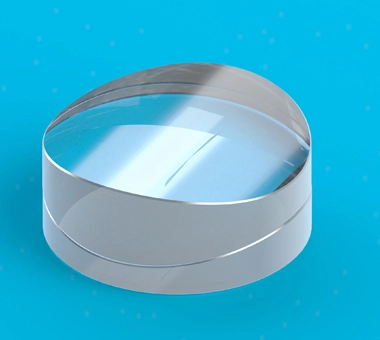
Aspheric lenses represent an advanced optical technology that provides significant benefits over conventional spherical lenses. While they offer superior optical performance, they also present certain...
Imagine a world where we can peer into the cosmos, zoom into the tiniest cells, or send data across continents in a flash. That's the power of optics—the science of light and its dazzling dance w...
Achromatic and apochromatic (APO) lenses, offered by Solar Valley, provide significantly enhanced image quality compared to standard lenses with equivalent speed and focal length. These lenses serve d...
Collimation involves aligning a light beam or stream of particles to propagate in a parallel direction, minimizing their spread. This process ensures that light or particles travel uniformly without d...
The human eye is limited to perceiving visible light, leaving infrared light, which lies beyond this spectrum, invisible. However, through the innovative technology of infrared optics, capturing this ...
The distinction between mirrors and lenses fundamentally arises from how light interacts with their surfaces. When light strikes a surface, it either reflects or refracts, and this behavior defines th...


 English
 日本語
日本語 한국어
한국어 français
 Deutsch
 Español
 italiano
 português
 العربية
 tiếng việt
 ไทย
ไทย