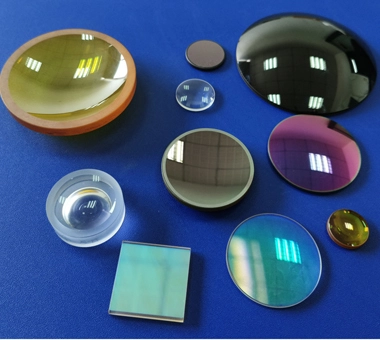
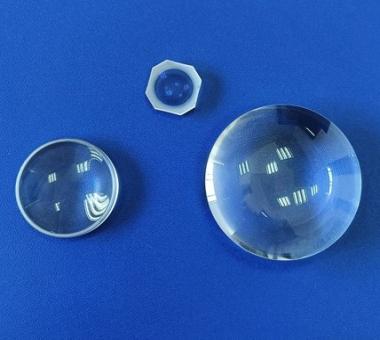
The aspherical lens price typically ranges from a few dollars for high-volume molded optical components to hundreds or even thousands of dollars for custom precision-polished aspheres. The final cost ...
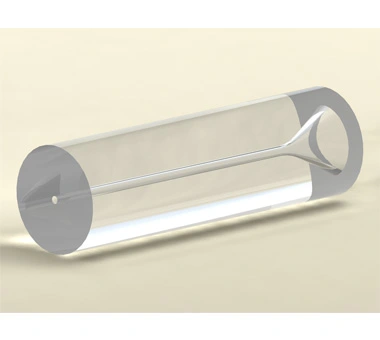
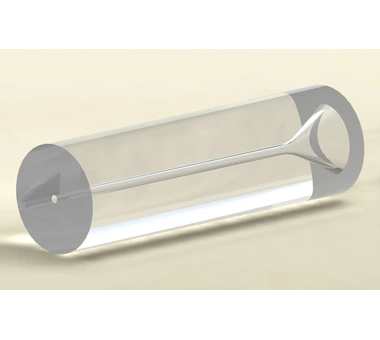
When ordering quartz capillary tubes for fiber optic packaging, the most important specifications are inner diameter (ID), outer diameter (OD), wall thickness, concentricity, material quality, and end...
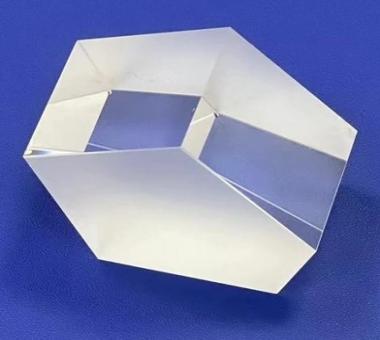
A pentaprism is used in cameras to redirect and correct the optical path from the lens to the viewfinder while maintaining image orientation and high optical accuracy. Unlike simple mirrors or standar...
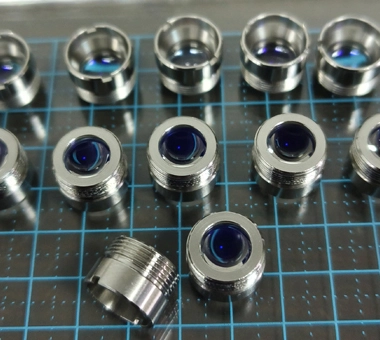
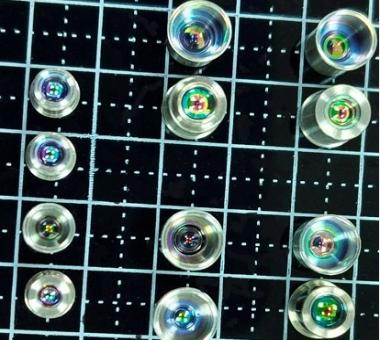
For optical systems exposed to extreme temperatures, abrasive particles, high pressure, chemical exposure, or mechanical impact, sapphire lenses are often the preferred solution because they offer exc...
TOSA, ROSA, and BOSA are the three core optical subassembly architectures used in fiber transceivers. TOSA converts electrical signals into optical signals for transmission, ROSA converts received opt...
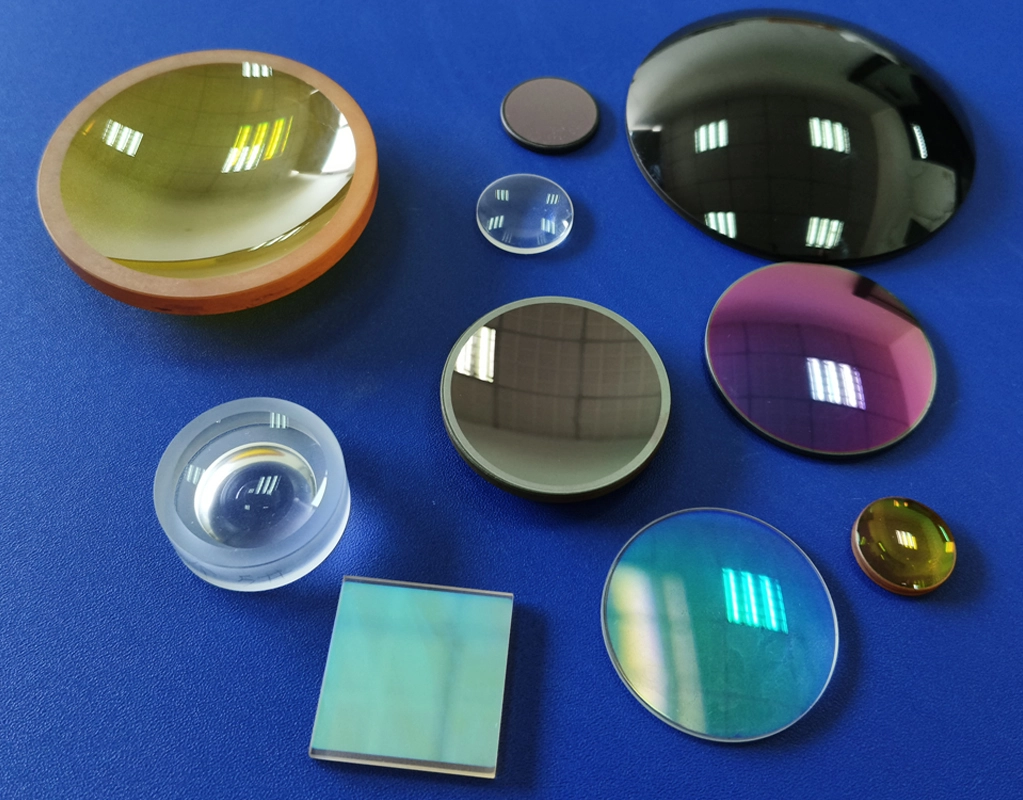
In infrared optical systems, material selection directly affects imaging quality, signal transmission, system size, and long-term reliability. Among many infrared optical materials, germanium infrared...
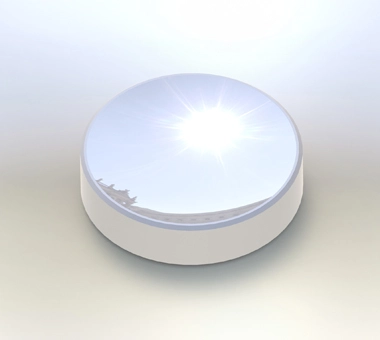
In precision optical systems, an optical concave mirror is more than a reflective component. It controls how light is collected, focused, redirected, or shaped inside an optical path. Whether used in ...
Mirrors, with their varied shapes and sizes, play a significant role in optics, their reflective properties determined by whether their surfaces are flat or curved. Concave and convex mirrors, in part...
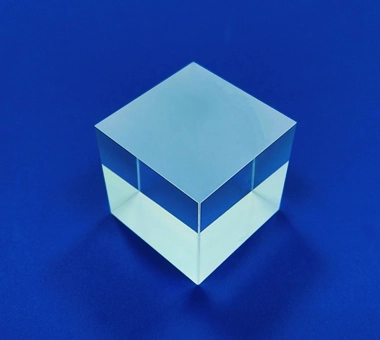
Prisms are captivating tools that unlock a world of creative and scientific possibilities by manipulating light. At Solar Valley, we believe prisms are more than just optical instruments; they are gat...
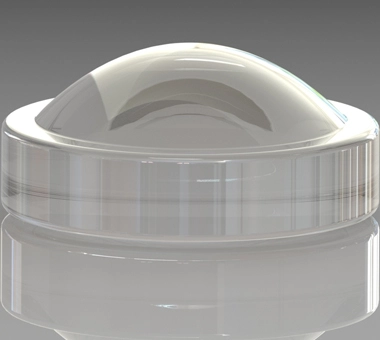
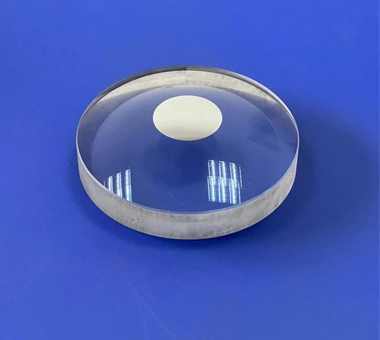
Aspheric lenses represent an advanced optical technology that provides significant benefits over conventional spherical lenses. While they offer superior optical performance, they also present certain...


 English
 日本語
日本語 한국어
한국어 français
 Deutsch
 Español
 italiano
 português
 العربية
 tiếng việt
 ไทย
ไทย